














Martial arts marketing, art by art Same mats. Different buyers.
Martial arts marketing for every art, from BJJ, karate and taekwondo to kung fu, Muay Thai, MMA and kids programs. The mats look the same. The person paying for them doesn't, so every art gets its own buyer, its own message and its own proof. Below: a playbook per art, then the full guide.
Pick an art. Meet its buyer.
Same free month, same system, same speed. What changes is who reads the ad, what they're afraid of, and the angle that gets them through your door.
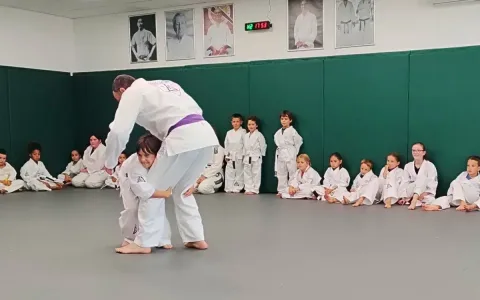
The BJJ buyer is an adult who has watched a few chokes online and is scared of getting crushed. So the ad sells the first no-ego class, never the competition team.
 Gracie St. Nicolas
22→115
students
Open the BJJ playbook










Seven arts. Seven playbooks.
Every discipline page walks the same five chapters: the buyer, the angle, the proof, the site we built, and what to read next. Each one is built from a real school we grew.
-
 BJJ
22 → 115 students
The buyer is an adult who has watched a few chokes online and is scared of getting crushed. So the ad sells the first no-ego class, never the competition team.
Open the BJJ playbook
-
 Karate
12 → 56 in 3 months
The buyer is a parent who wants a calmer, more confident kid, or an adult who never finished their white belt. So the ad leads with the sensei and the values, never a discount.
Open the Karate playbook
-
 Taekwondo
29 intro lessons, month one
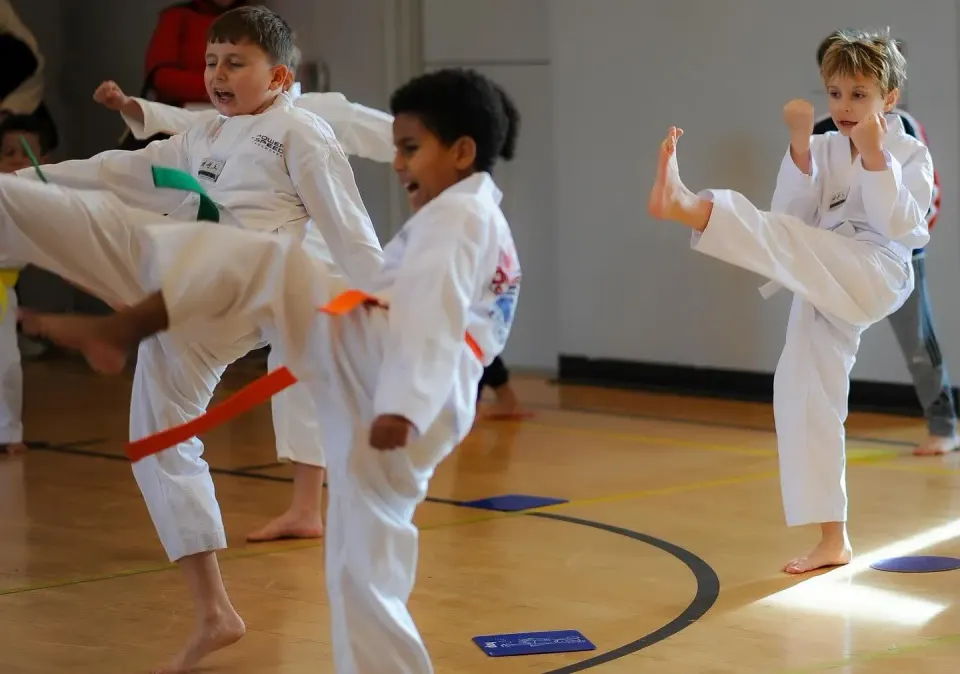
The buyer is a parent comparing your dojang with soccer and swimming, looking for a class that fits her kid's age. So the ad shows a real student mid-kick and sells focus and confidence to the parent.
Open the Taekwondo playbook
-
 Kung fu
20 new in 30 days
The buyer is an adult who grew up on kung fu films and never found a door to walk through. So the ad shows the sifu and his twenty years, then offers a first class free.
Open the Kung fu playbook
-
 Muay Thai
25 → 152 · 8X revenue
The buyer is an adult who wants the hardest workout of their week, but has never thrown a punch. So the ad sells the class they can picture, with a separate voice for women and kids.
Open the Muay Thai playbook
-
 MMA
18 trials in 26 days
The buyer is a beginner who wants the hardest workout of the week but has never been hit, or a parent with a kid who needs confidence. So the ad shows a real class, never the cage, and offers a free first session.
Open the MMA playbook
-
 Kids programs
12 → 55 kids
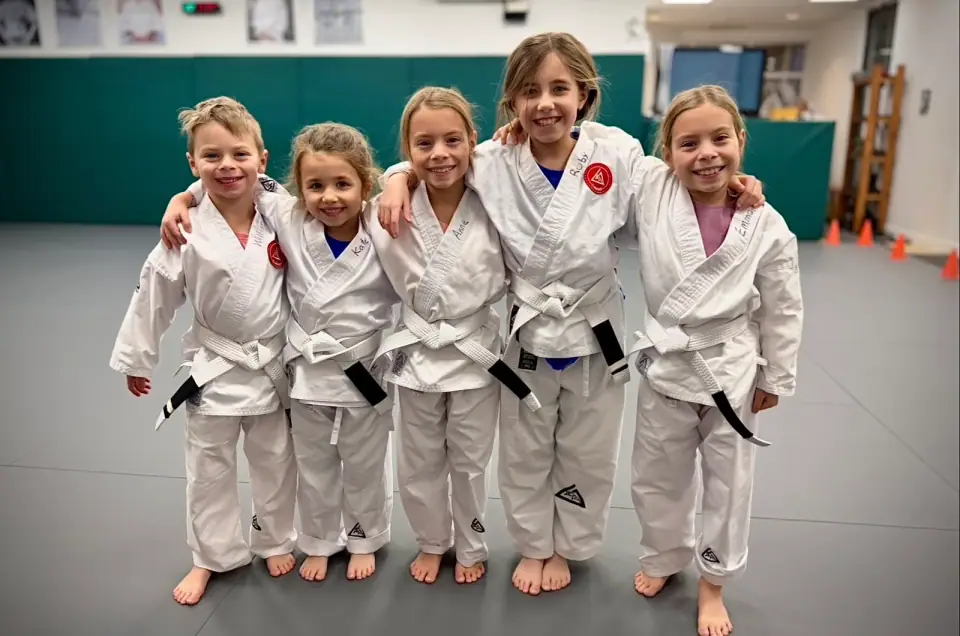
The buyer is a mom scrolling at 9pm, asking whether this will help her kid. So the ad sells confidence, focus and safety to the parent, never ninjas to the child.
Open the kids playbook
The martial arts marketing guide.
How to get more students for a martial arts school, from the first ad to the signed membership. Written from the schools we market across the US and Canada, with their real numbers.
Martial arts marketing is everything that turns a stranger a few miles away into a member on your mats: the ad or search result they see, the page they land on, how fast someone answers, the trial class and what happens after it. Most schools only work on the first step. Most students are won or lost in the others.
Every new student takes the same path.
A new student almost never signs up straight from an ad. They see something, ask a question, get an answer, book a class, show up, and then decide. That is seven steps, and every one of them leaks.
- Attention. A parent or an adult within a short drive sees your school, in their feed or on Google.
- Inquiry. They fill in a form, send a message or call.
- Reply. Someone answers. This is where most schools lose the most students.
- Booking. They pick a real class time, not "come by sometime".
- Show-up. They walk in. Reminders decide this step.
- Enrollment. The trial class, then one honest conversation about membership.
- Staying. Most students who quit do it in the first few months, before they feel progress or know anyone by name.
When an owner tells us their marketing isn't working, the ads are rarely the whole problem. Usually the leads are there and the reply, the booking or the show-up is broken. Fix the step that leaks first. More ads into a leaky path only buys more leaks.
That is why the schools in this guide grew on the whole path, not on one channel. Port Credit Academy in Mississauga already had 314 students. It didn't need more awareness, it needed leads who showed up: 79 people walked through the door in the first month with us and 68 in the second, and the school reached 428 students in eight months.
The channels that actually fill mats.
There are dozens of ways to market a martial arts school. A handful do almost all of the work. Here is what each one is for.
Facebook and Instagram ads
Meta ads create demand. Most parents aren't searching for karate today, but they will stop on a video of a kid their child's age earning a stripe. Meta puts that in front of families and adults within a few miles of your door, with an instant form so they can ask a question without leaving the app. It is the fastest lever most schools have: our campaigns usually bring the first leads within 48 to 72 hours of launch. The catch is that these leads are earlier in their decision, so they need a fast, human reply. See how we run Facebook ads for martial arts schools.
Google Ads
Google Ads catch demand that already exists. Someone typing "martial arts classes near me" or "BJJ gym" wants to try a class this week. Search ads put you at the top of that page, and tight ad groups per program (kids karate, adult BJJ, Muay Thai) with a landing page that matches the search keep the cost per lead down. Volume is capped by how many people search in your area, so Google rarely fills a school on its own, but its leads are often the warmest you'll get. More on Google Ads for martial arts schools.
Google Business Profile and local SEO
The map results are the free version of the same intent. Your Google Business Profile, its categories, photos, hours and above all its reviews decide whether you show up in the three map listings for "karate near me". A website with a page for each program you teach, fast on a phone, does the rest. SEO is slower than ads, but it keeps working when you pause spend. See SEO for martial arts schools.
Referrals
Your happiest families are your cheapest marketing, but only when you ask on purpose: a buddy week, a bring-a-friend class after a belt test, a small thank-you for the family who referred. Referrals add students steadily at the edges. They rarely fill a new program on their own. Read martial arts referral programs that work.
Social media and email
Organic posts keep members proud and give a curious parent something to check before they book. They are a trust signal more than a lead source. Email is the cheapest way to bring back leads who never booked and members who drifted. Read how to use social media to attract students and email marketing for martial arts schools.
Flyers, booths and school demos still work for some kids programs, but they are hard to measure. Start with the channels where you can see cost per lead and cost per new student, then add the rest.
What works for each martial art.
Every art sells to a different person. The mats look the same, the buyer doesn't. Each playbook below is built from a school we grew.
Brazilian jiu-jitsu
The adult BJJ buyer has watched a few chokes online and is scared of getting crushed on day one. Ads that sell the competition team or a famous lineage push that person away. Sell the first no-ego class, show a beginner rolling with a smiling coach, and answer "am I too out of shape?" before they ask it. Gracie Jiu Jitsu St. Nicolas went from 22 to 115 students, and Ascended BJJ in Kingston, New York went from 50 to 103 in three months. Read the BJJ gym marketing playbook.
Karate
Karate buyers are mostly parents who want a calmer, more confident kid, plus adults who never finished their white belt. Lead with the sensei, the values and the belt path, never a discount. Wattie Karate went from 12 students to 56 in three months, 16 of them during the free month. Read the karate school marketing playbook.
Kung fu
Kung fu pulls adults who grew up on the films and never found a door to walk through. Show the sifu and his years on the floor, then make the first class free and easy to book. River City Kung Fu in Richmond, Virginia signed 20 new students in its first 30 days, against our own estimate of one or two a week. Read the kung fu school marketing playbook.
Muay Thai and kickboxing
The Muay Thai buyer wants the hardest workout of their week and has never thrown a punch. Sell the class they can picture, pads, sweat and a coach holding for them, and give women and kids their own ads and their own programs. The Martial Club in Albuquerque went from 25 to 152 students, launched kids and women's programs and grew revenue eight times. Read the Muay Thai gym marketing playbook.
Kids programs
In any kids class, the child wants to kick things and the parent pays. Write every ad, page and text for the parent: confidence, focus, safety and a time slot that works after school. Gracie St. Nicolas grew its kids program from 12 to 55, with 33 new kids in 48 days. Read the kids martial arts marketing playbook.
Taekwondo
Taekwondo is mostly marketing to parents comparing your dojang with soccer and swimming. Open on age groups, show a real student mid-kick and sell focus and confidence. Haritos Martial Arts in Tarpon Springs, Florida booked 29 intro lessons in its first month with us. Read the taekwondo school marketing playbook.
MMA
Sell the class, never the cage. The MMA buyer is a beginner who wants the hardest workout of the week but has never been hit, or a parent whose kid needs confidence. Guerra's House of Warriors booked 18 trial classes in 26 days. Read the MMA gym marketing playbook.
Judo and multi-art schools
The same rules hold. Judo and family schools market like karate, mostly to parents. A school that teaches several arts should run separate ads for its kids and adult programs instead of one ad that lists everything. Wiseman's Martial Arts in Newfoundland rebuilt from 12 students after COVID to 90, more than the 75 it had before the pandemic.
Kids and adults are two different businesses.
Most schools run both, and many market them with the same ad. That costs students on both sides, because almost everything about the buyer changes.
| Kids programs | Adult programs | |
|---|---|---|
| Who decides | The parent | The adult, often after weeks of thinking about it |
| What they fear | Their kid getting hurt, or quitting like the last activity | Being out of shape, getting hurt, looking foolish |
| What the ad shows | Confidence, focus, a kind instructor, a safe room | A beginner class, people their age, the workout |
| When they train | After school and weekend mornings | Early morning, lunch and after work |
| What keeps them | Visible progress, stripes and parents who feel part of it | Friends on the mat and a goal they can see |
Gracie St. Nicolas is the clearest example: the kids program went from 12 to 55 students and the adult program from 10 to 60, each with its own message. For more, read how to build a profitable adult program and how to fill kids classes during slow seasons.
A trial offer people say yes to.
The offer is the step between interest and a booked class. It should be easy to say yes to and easy to explain in one line.
- One offer per program. Keep it to one, so the ad, the page and the text message all say the same thing.
- A real class time. "Come try it" gets ignored. "Tuesday at 5:30, beginners kids class" gets booked.
- A free or low-cost first step, not a cut-price membership. Deep discounts bring in the wrong buyer and teach people to wait for the next sale.
- A planned first class. Greet them by name, partner them with a coach, give them one moment of success, then sit down with the parent or the adult straight after. The offer gets them in. The class enrolls them.
This step is where most of the money is. YI'S Martial Arts in Wood River, Illinois went from an unprofitable month to $6,000 profit in its first month with us, on lead follow-up and the enrollment conversation. See our martial arts enrollment system, or read how to build an intro offer that converts and trial classes that convert to members.
Answer in minutes, or lose the trial.
A parent who fills in a form at 9pm is usually comparing you with two other schools, and the first one to reply tends to get the trial. Harvard Business Review's study The Short Life of Online Sales Leads found that companies that tried to contact a lead within an hour were nearly seven times as likely to qualify it as those that waited longer. For a school, an hour is already slow. Good follow-up looks like this:
- A text within a minute, from a real number, with a question that is easy to answer.
- A call within minutes during open hours.
- Several touches over the first week by text, call and email, because most people don't answer the first one.
- Booking straight into a class slot, then a reminder the day before and the morning of.
- A text the same day to anyone who missed their class, offering another time.
In River City Kung Fu's first week, Moses got 29 leads and 25 of them confirmed a class. That is what fast follow-up does with the same ad spend. Read how to answer leads before they go cold, or see how our martial arts lead follow-up and marketing automation handle it.
Reviews do the selling before you do.
Before a parent books, they check your rating. Reviews also move you up the map: Google says that more reviews and positive ratings can help a business's local ranking. Getting them is a habit, not a campaign:
- Ask at the proud moments: after a stripe, a belt test or a student's first month.
- Send the direct review link by text, so it takes ten seconds.
- Ask the parent, not the kid.
- Reply to every review, good and bad, with the student's first name.
Gracie St. Nicolas went from 12 Google reviews to 52. Port Credit Academy went from 37 reviews at 4.6 stars to 132 at 4.9. More in how to get more Google reviews for your school.
A website with one job: book a trial.
Most visitors arrive on a phone, from an ad or a map listing, and decide in seconds. A school website that books trials has:
- The offer and a booking button on the first screen of a phone.
- One page per program, so a parent of a six-year-old never reads about the fight team.
- The schedule, the address and parking, without hunting.
- Real photos of your mats and your coaches, not stock.
- Reviews and messages from real families.
- A short form that drops the lead straight into follow-up.
Ascended BJJ grew from 50 to 103 students in three months on a rebuilt site, and True North Jiu-Jitsu in Coquitlam added 20 students in its first month. See martial arts website design and examples of school sites we built, or read website optimization for martial arts schools.
What it costs, and how long it takes.
There is no honest single number for what martial arts marketing costs, because it depends on your area, your programs and how many students you need. For ad spend, agency fees, websites and software with public sources, see what martial arts marketing costs. Our monthly martial arts marketing statistics track real cost per lead, booking and show rates across 50+ schools. Here is what we see in our own accounts:
- The minimum ad spend we run is $450 a month, paid to Meta and Google directly.
- Leads usually start within 48 to 72 hours of launch, and most schools see a first new student in about five days.
- Filling classes steadily takes two to four weeks, depending on the area, the schedule and how quickly the school confirms trials.
- The market needs enough people: your school needs more than 10 active students and a location in an area with a population over 50,000.
- Judge spend by cost per new student, not cost per click or cost per lead. A cheap lead who never shows up costs more than an expensive one who enrolls.
Street Fighters Martial Arts in Ogden, Utah had spent $1,000 with another agency and got zero students. With a small ad budget and fast follow-up, it signed 10 new students in its first month with us. If you are about to run ads yourself, start with paid advertising for martial arts gyms.
12 martial arts marketing ideas to use this month.
- Split your kids and adult ads. Never sell both in one.
- Put a real class time in every ad, page and reply.
- Text every new lead within a minute, nights and weekends included.
- Send a reminder the day before and the morning of every trial.
- Ask for a Google review after every stripe and belt test.
- Film twenty seconds of a beginner's first class, with permission, and run it as an ad.
- Build one landing page per program that matches its ad word for word.
- Plan pushes around back-to-school and January, when families and adults set new routines. See how to run a back-to-school enrollment event.
- Run a buddy week for current members twice a year.
- Win back leads who never booked with a short text and email sequence.
- Fill empty daytime mat hours with a preschool or homeschool program.
- Track every lead from its source to a signed membership, and cut whatever doesn't produce students.
For the mistakes that sink most campaigns, read why most martial arts marketing fails. Once students sign, keep them with the student retention guide.
Do it yourself, or hand it off.
Everything in this guide can be done by an owner with time: a Meta ads account, a Google Business Profile, a CRM that texts, and a front desk that answers. Most owners we talk to don't lack the knowledge. They lack the hours, because they teach the classes. We laid out the trade-offs side by side: an agency vs an in-house marketer, an agency vs Wix or Squarespace and an agency vs the website your gym software includes.
If that is you, a martial arts marketing agency that works only with schools can run the whole path for you. Ours runs the ads, the website, the follow-up and the enrollment process for schools across the US and Canada, and the first month is free, so you see the students before you see an invoice. See every martial arts marketing service we run, or every school we grew.
Martial arts marketing, answered.
The questions school owners ask most about marketing a martial arts school. Anything else, bring it to the call.
Everything that gets a new student onto your mats and keeps them there: ads, search, your website, follow-up, the trial class, reviews and referrals. The schools that grow treat it as one path from the first ad to a signed membership, not a set of separate tactics.
Fix the path in order. Answer every lead within minutes, book them into a real class time, remind them, and run a trial class that ends in an enrollment conversation. Then add reach: Facebook and Instagram ads to create interest, Google Ads and your Google Business Profile for people already searching, and a steady flow of new reviews.
There isn't one channel. Facebook and Instagram ads create the most new interest, Google Ads and the map listing catch people already searching, and fast follow-up decides how many of either become students. Start with the step where your path leaks.
It depends on your area, your programs and how many students you need. The minimum ad spend we run is $450 a month, paid to Meta and Google directly, and we set the starting budget from local competition and your enrollment goal. Judge it by cost per new student, not cost per click.
Within minutes, and seconds is better, because the first school to answer usually gets the trial. Every lead we bring in gets an automatic text and email within seconds; your front desk then calls the same day, or a dedicated rep does it for schools with 200 or more students.
A free or low-cost first step works for almost every art. Keep it to one offer per program, tie it to a real class time, and plan the class so it ends with a conversation about membership.
Write for the parent: confidence, focus, safety and an after-school time slot. Show real kids from your classes, answer fast, and ask parents for reviews after stripes and belt tests. See the kids programs playbook.
Sell the beginner class, not the fight team. Adults worry about being out of shape and getting hurt, so show people like them, a friendly coach and an easy first class, at early, lunchtime and after-work times.
Ads bring leads within 48 to 72 hours of launch, and most schools see a first new student in about five days. Filling classes steadily takes two to four weeks. SEO and reviews build over months and lower your cost per student as they do.
Every school on this page teaches something different.
Every one of them needed the same three things: the right buyer, a message that buyer believes, and a reply in seconds.
Your buyer is waiting.
A 30-minute call about your art, your programs and your area. Then we run the ads, the site and the follow-up for a month, free.